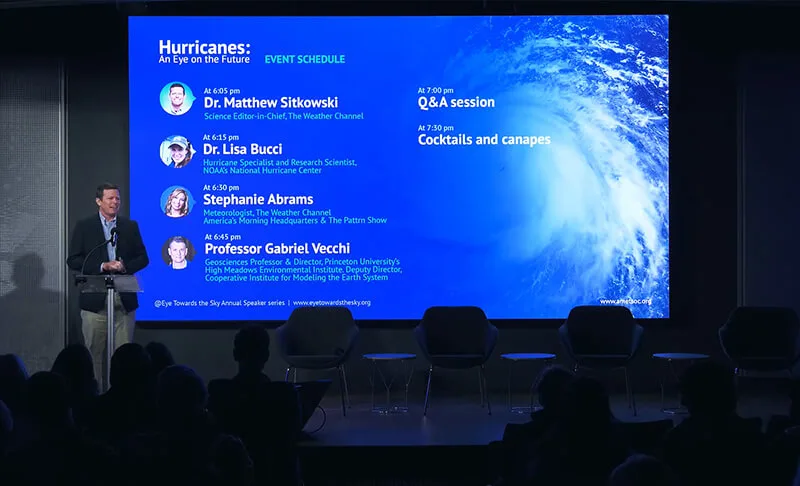
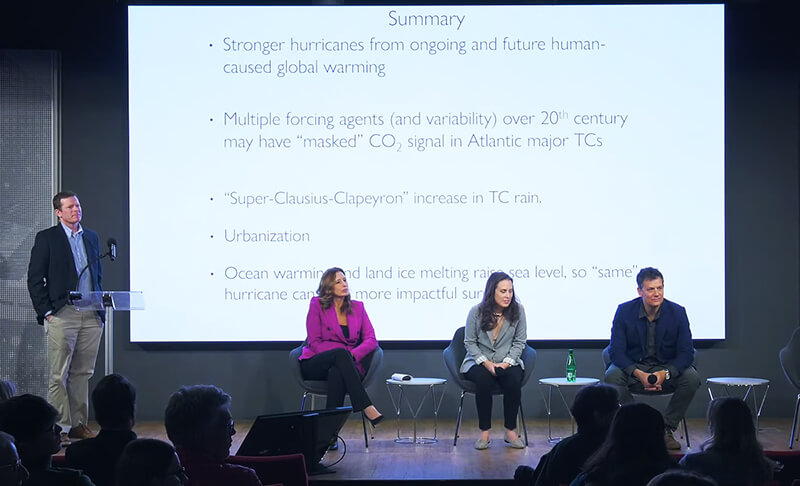
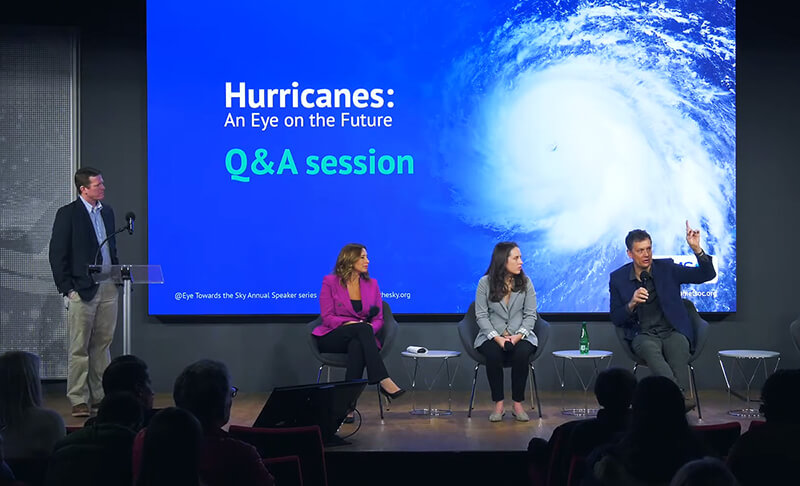
The American Meteorological Society hosted the second annual Eye Towards the Sky speaker series at WBUR CitySpace in Boston, drawing a public audience both in person and online.
Focused on the science behind hurricanes and tropical cyclones, the event shed light on how storms form, how they’re forecasted, and how climate change is influencing their behavior.
In an evening designed to inform and inspire, leading experts brought personal experience, cutting-edge research, and clear explanations to one of the most powerful forces in nature.
What Makes a Hurricane Tick?
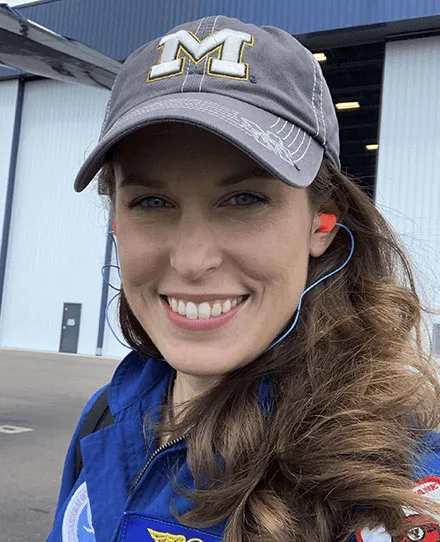
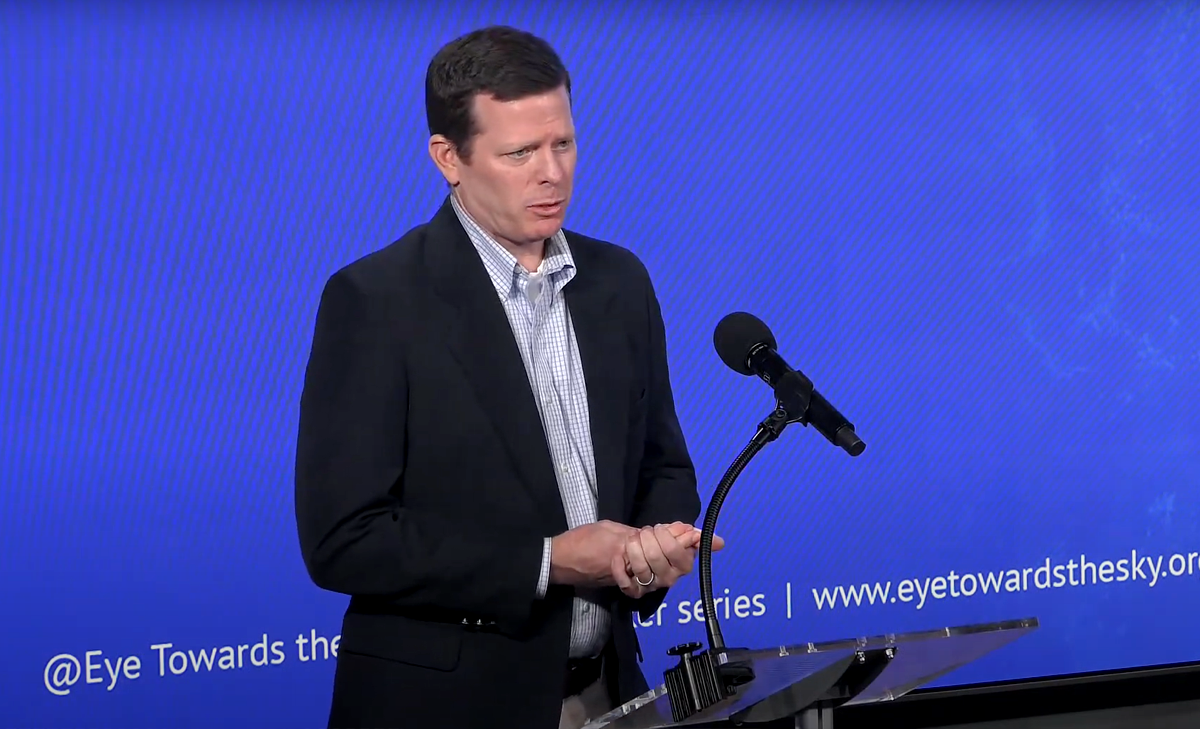
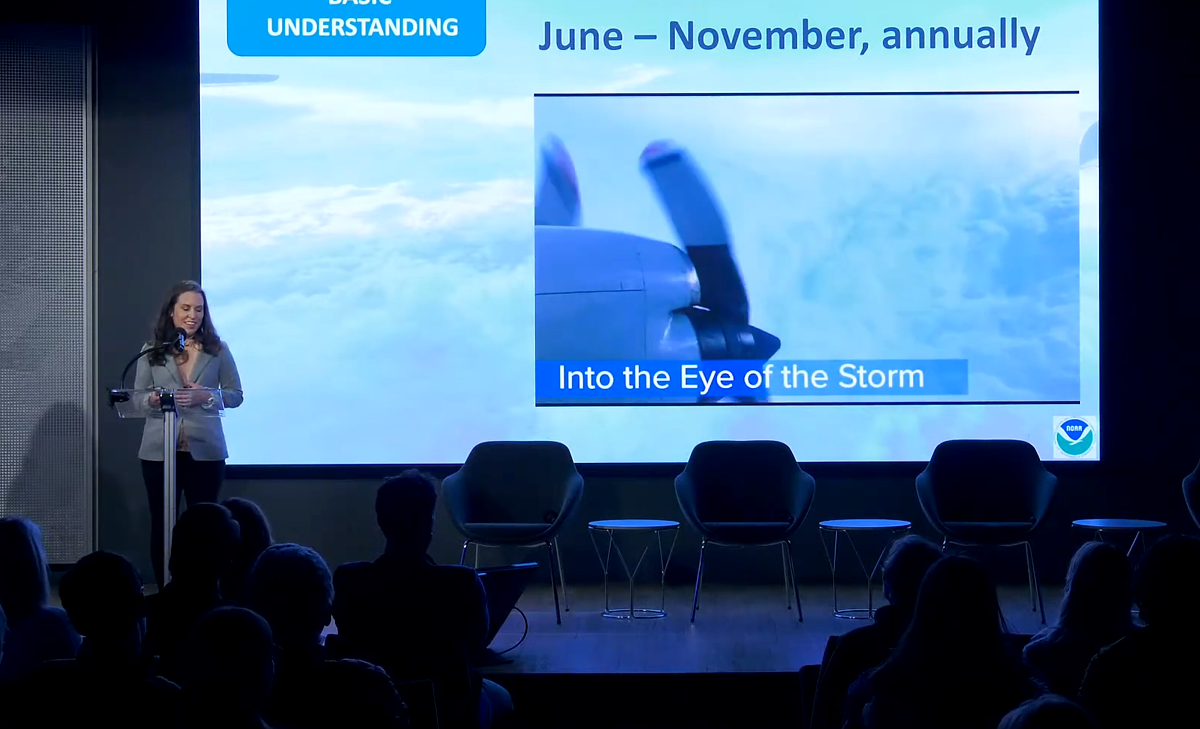
Moderator Dr Matt Sitkowski, Science Editor-in-Chief at The Weather Channel, opened the evening by asking the audience to reflect on the storms they remember and what science has taught us since. He introduced the evening’s first speaker, Dr Lisa Bucci, Deputy Director of NOAA’s Hurricane Research Division.
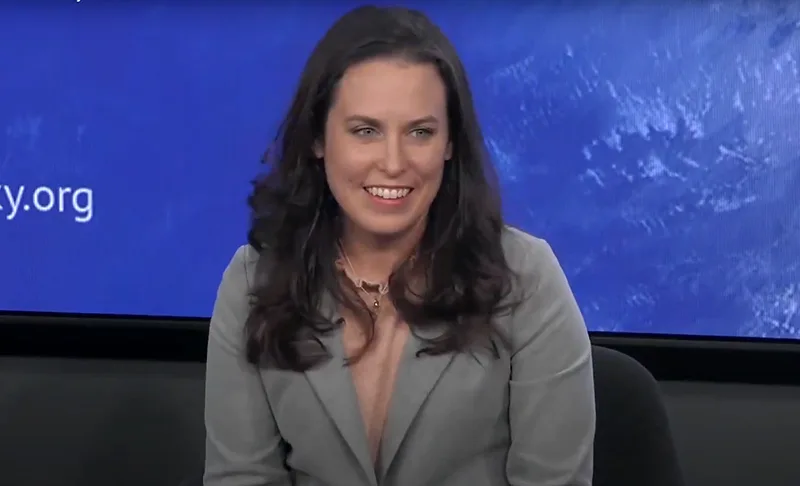
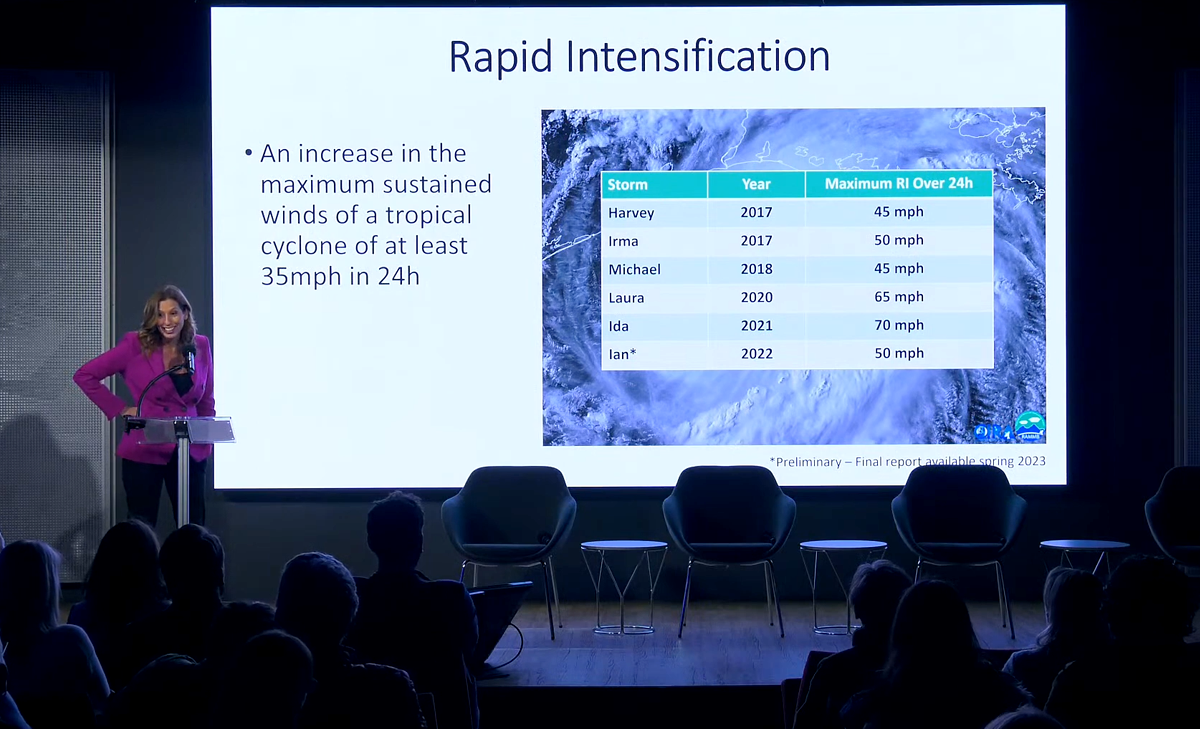
Dr Bucci described the specialized aircraft used in hurricane hunting and her own experience flying into the eye of the storm. “These missions help us understand the inner structure of hurricanes and how they intensify,” she said. Through dropsondes and onboard radar, researchers collect crucial data that satellites can’t provide. She highlighted how that data feeds into forecast models, helping improve both the accuracy and timeliness of warnings.
“We’re pushing the limits of what we know in real time,” she explained.
Forecasting Under Pressure
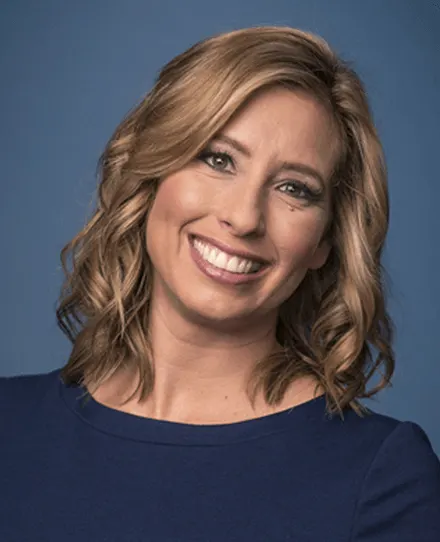
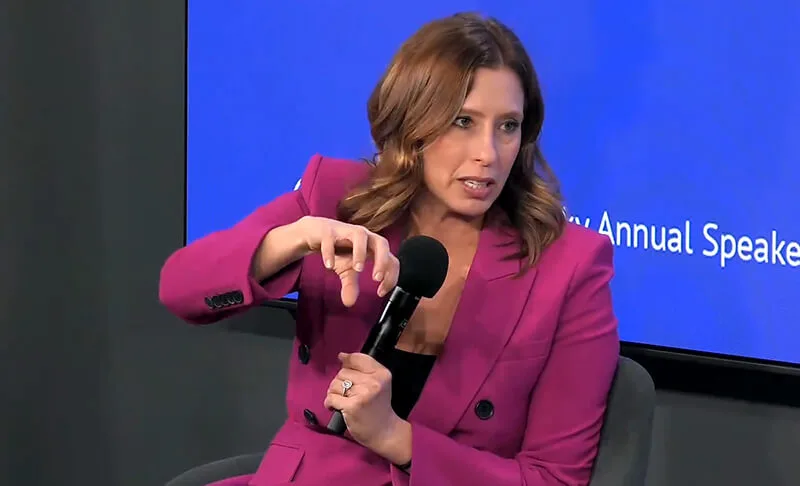
Stephanie Abrams, meteorologist and co-host of The Weather Channel’s AMHQ, brought the broadcaster’s perspective to the stage. She emphasized the delicate balance between urgency and clarity when communicating storm threats to the public.
“We’re not just delivering forecasts. We’re translating science into decisions,” she said.
Ms Abrams discussed how media coverage has changed with evolving technologies and faster-paced storm developments. Drawing on examples from Hurricane Ian and Hurricane Harvey, she shared how visual storytelling, from storm surge graphics to real-time wind maps, helps audiences grasp risk. “What we say, and how we say it, can directly impact whether people evacuate or stay behind,” she noted.
Climate and the Future of Hurricanes
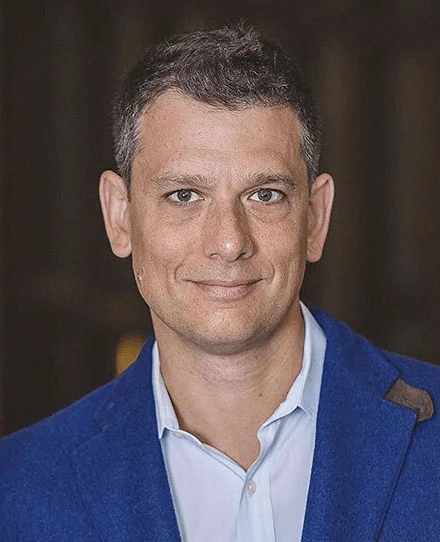
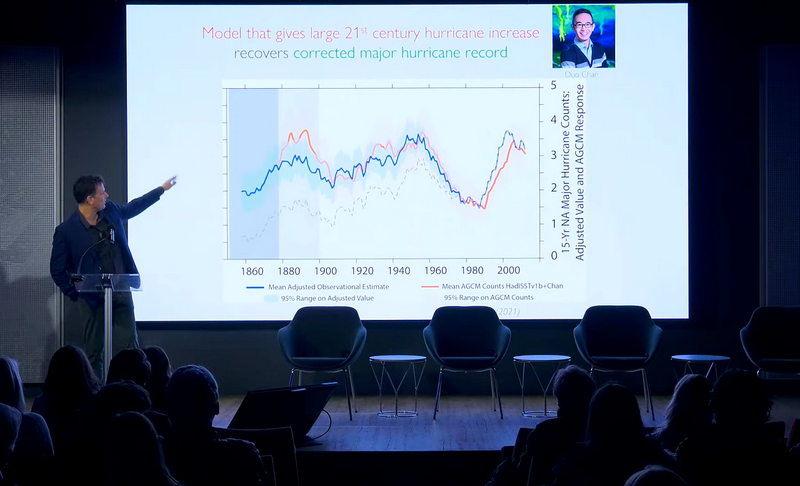
Princeton University professor and climate scientist Dr Gabriel Vecchi closed the evening with a big-picture look at how climate change is influencing hurricanes. He explained that while the total number of tropical cyclones globally has not increased, their intensity and rainfall are on the rise.
“We’re seeing stronger storms, slower-moving systems, and higher precipitation totals,” he said. “That’s a dangerous combination.” Dr Vecchi addressed ongoing questions around attribution and uncertainty while emphasizing that today’s models and historical data show clear trends.
“The atmosphere is warmer. The oceans are warmer. And hurricanes draw their power from that heat,” he explained.
He closed by noting that improved forecasting, coupled with strong policy and adaptation, could help communities stay ahead of the risks.
Science That Serves
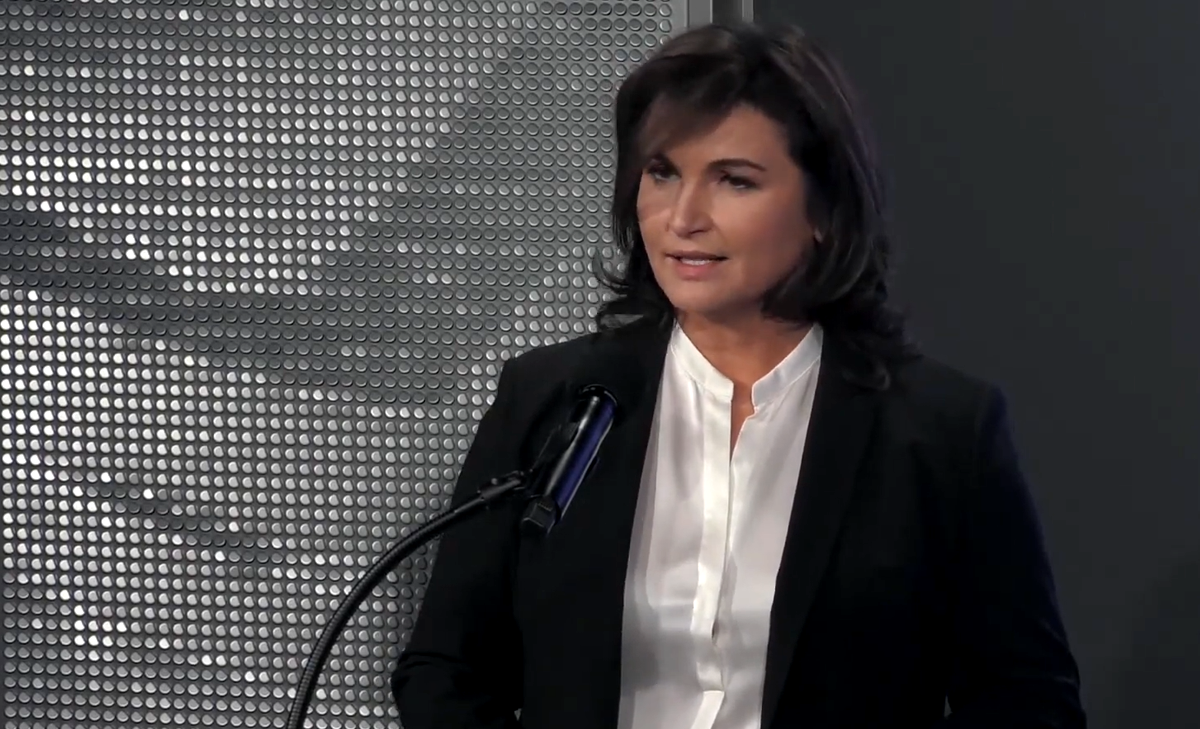
As the Q&A wrapped up the night, audience members asked about forecasting accuracy, sea level rise, and how individuals can better prepare for storm seasons. Dr Sitkowski summed up the night’s message:
“Understanding hurricanes isn’t just about science. It’s about saving lives.”
Now in its second year, Eye Towards the Sky continues to deliver insightful, accessible conversations that connect climate and weather science to real-world impact. The series brings the public closer to the tools and knowledge needed to weather the future.